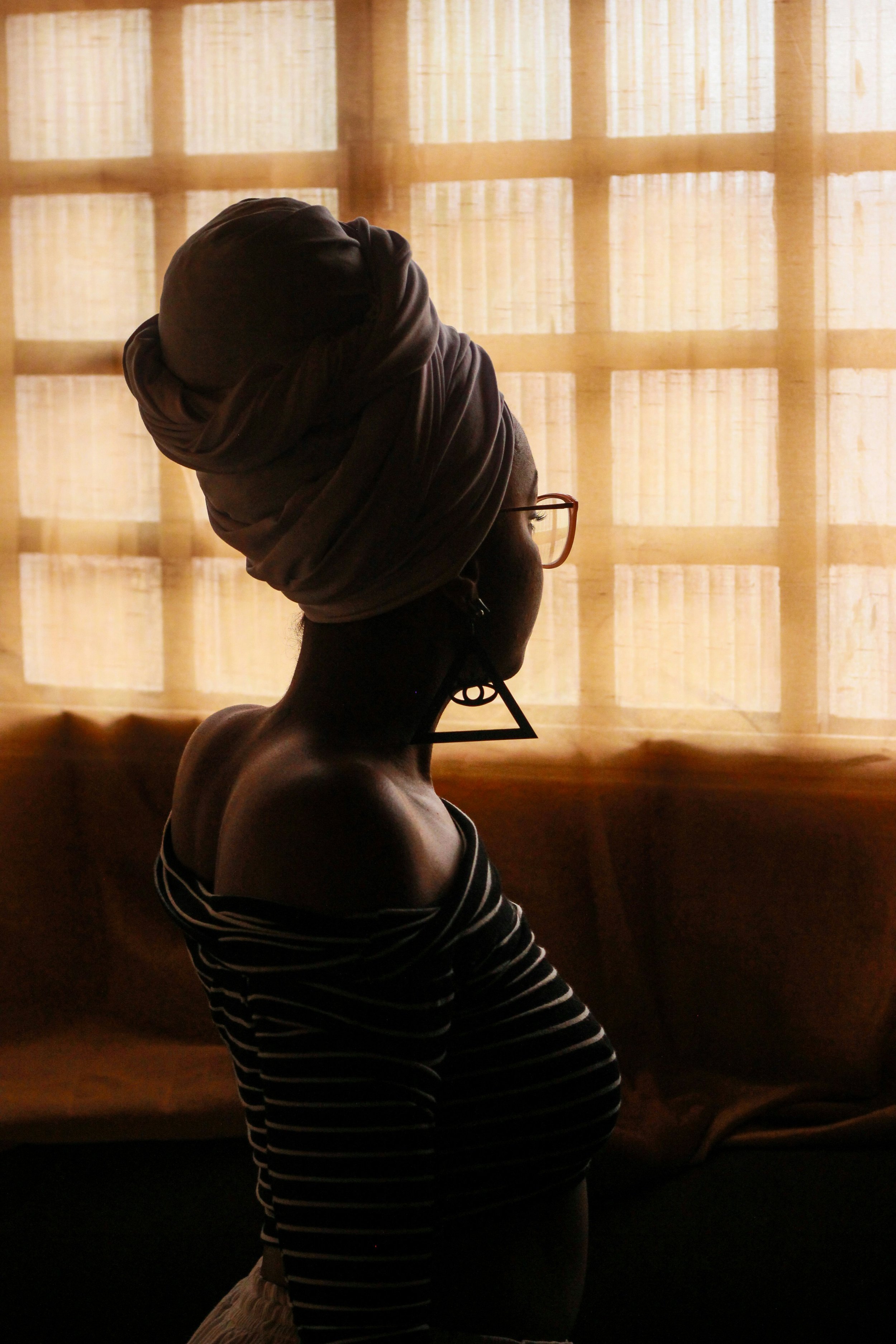
Alexandra
I grew up watching my mother, a social worker, build spaces where people felt safe, supported, and seen. She worked with individuals navigating mental health and developmental challenges, and she did it with a kind of care that wasn’t performative, it was relational, consistent, and rooted in dignity. That shaped how I understood service long before I had the language for it.
When it came time to choose my own path, I naturally gravitated toward work centered on people and community. I started as a Home Health Aide, helping people move through their daily routines with more ease. Later, during the pandemic, I worked for my city’s Health Department, talking with neighbors, coordinating outreach, and connecting people to resources that made real differences in their lives. I went on to support Medicaid and Medicare members at a start-up focused on food access, housing, transportation, and other essential needs. Every role taught me the same lesson: people thrive when they’re met where they are.
But my story isn’t only about my work. It’s also about identity. I move through the world as a Black person in the United States, often perceived as a Black woman while identifying as non-binary (she/he/they). That reality has pushed me to think deeply about lineage, about what was taken from those of us descended from people who survived the transatlantic slave trade, and about what was remade in its aftermath.
In the midst of devastation, our ancestors pieced together culture from memory, imagination, and the materials around them. What we now call Black American culture, in all its depth, creativity, and resilience, is a direct expression of that work. It’s something I hold with pride.
Reconnecting with parts of that culture I didn't grow up with has been a central part of my own healing. Hoodoo became one of the pathways back, a way to explore ancestral knowledge, understand forms of care born out of resistance, and honor the resourcefulness that allowed our people to survive and shape entire worlds.
My work now, in my offerings, in community spaces, and on this site, continues that lineage. I practice Hoodoo rootwork and divination as tools for clarity, empowerment, and grounded action. And I show up in ways that honor my ancestors, uplift Black American culture, and create spaces where people feel supported as they navigate their own stories, circumstances, and possibilities.
Hoodoo has always been a practice shaped by African Americans, and African American communities have always included people of every background who came seeking support, clarity, or protection. While Hoodoo itself is a closed tradition, my work continues that lineage of openness by welcoming people from all walks of life who come respectfully for guidance, insight, or care. In this way, I honor my ancestors, celebrate Black American culture, and create spaces where people feel supported as they navigate their own stories, circumstances, and possibilities.
*The image on this page is a placeholder until a personal photo is added.
“You must remember where you come from. That is where your strength lives.”